


Cart
Your shopping cart is empty!
It's never too late to make things right :)
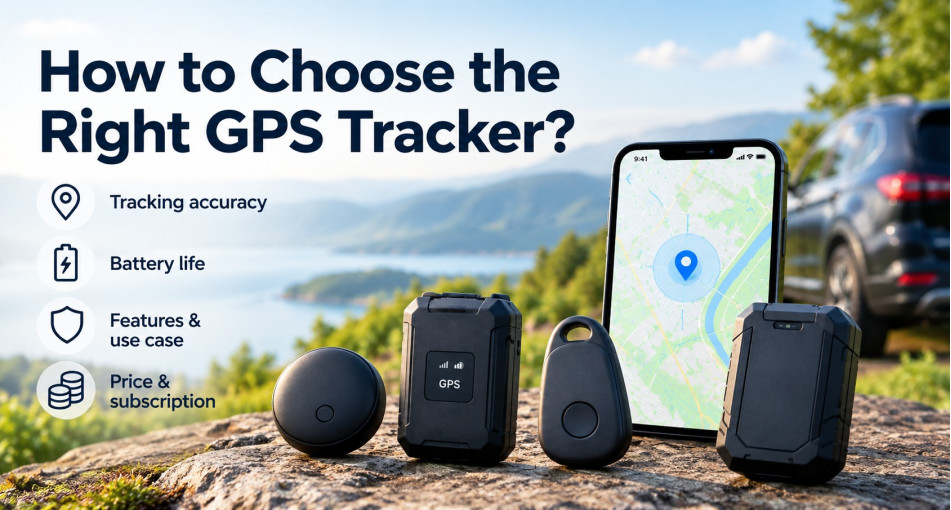
A GPS tracker is a device that allows you to monitor the real-time location of a person, vehicle, or other valuable asset. With so many GPS tracking devices available, choosing the right one can be difficult, especially if you are new to GPS tracking technology.
If you are just getting started, we recommend reading our guide on what you need to know about GPS tracking equipment. It explains how GPS tracking devices work and what features you should consider.
In this guide, we will look at the most important factors to consider when choosing a GPS tracker and help you find a device that suits your specific needs.
Vehicle tracking is commonly used by businesses to monitor company vehicles and improve fleet management. For companies, efficient use of working time and fuel is essential. If employees use company vehicles for personal trips or spend excessive time traveling for non-business purposes, this can result in unnecessary costs.
GPS tracking equipment can help businesses monitor vehicle usage, review travel routes, and improve overall fleet efficiency. When used transparently and in accordance with applicable laws and company policies, GPS tracking can be a useful tool for managing company vehicles.
The best GPS tracker depends on what you want to track, how often you need location updates, and how frequently you can recharge the device.
Below are some of the most important factors to consider before making a purchase.
If you need a GPS tracking device for a person, size and portability are usually important considerations.
A compact GPS tracker is easy to carry in a pocket, backpack, handbag, or other personal belongings. Smaller devices are particularly convenient when portability is a priority.
When choosing a personal GPS tracker, consider its dimensions, battery life, location accuracy, tracking method, and whether it requires a SIM card or subscription.
When choosing a GPS tracker for a vehicle, you have several options. The right choice will largely depend on how often you can access the vehicle and recharge the device.
One of the first things to consider is battery life. If the tracker runs on a rechargeable battery, you will need to periodically remove it from the vehicle and recharge it. This means you need regular access to the vehicle.
If you have frequent access to the vehicle, a compact tracker with a shorter battery life may be sufficient. If you need the device to operate for longer periods without charging, a tracker with an extended battery life may be a better option.
If you can recharge your GPS tracker regularly, a smaller device with a shorter standby time can be a practical choice.
For example, some compact GPS trackers offer a standby time of around 3 days. The main advantage of these devices is their small size, making them convenient to carry and install. They are also often more affordable than trackers with larger batteries and extended operating times.
When comparing GPS trackers, remember that battery capacity, device size, tracking frequency, and connectivity can all affect battery life.
If you cannot recharge your GPS tracker frequently, choosing a model with a long standby time becomes much more important.
Among our available devices, the T20 GPS tracker with a magnetic mount offers a standby time of up to 6 months. This makes it suitable for situations where long battery life is a priority.
If you are looking for a balance between price and battery life, the GPS magnetic tracker offers standby time of up to 60 days.
When comparing long-battery-life GPS trackers, keep in mind that actual battery performance can vary depending on how frequently the device sends location data, network coverage, temperature, and other operating conditions.
Some GPS trackers offer additional features that can make them particularly convenient for vehicle tracking.
For example, a magnetic GPS tracker can be attached to a suitable metal surface on a vehicle. This makes installation quick and convenient without requiring permanent modifications to the vehicle. Some models also come with protective cases that help shield the device from dirt and moisture.
Another important feature is server-based tracking. A GPS tracker connected to a tracking platform can transmit location data regularly, allowing you to monitor the vehicle's current position and review previous routes. However, continuous tracking uses significantly more battery power than occasional location requests. For this reason, devices used for continuous server-based tracking are often connected to a constant power supply.
A GPS tracking server is particularly useful when you need continuous location monitoring and access to route history. Instead of requesting the vehicle's location manually, a server-based GPS tracking system can receive location updates automatically. Depending on the system, you can view the vehicle's current position, monitor its movements, and review previous routes. This can be particularly useful for businesses managing company vehicles or anyone who needs access to historical tracking data.
GPS trackers without server connectivity typically provide location information only when you request it, for example by sending an SMS command or calling the device. In this case, you receive the vehicle's location at a specific point in time rather than continuous tracking information.
If you plan to use a GPS tracker for continuous server-based monitoring, connecting it to a constant power source can be a practical solution. Continuous communication with the tracking server consumes considerably more power than occasional location requests. As a result, even a GPS tracker with a long battery life may only operate for a few days when used for continuous tracking.
Connecting the device to a constant power supply allows it to remain operational for longer periods without requiring regular battery charging. Some GPS trackers that do not use a server can also be connected to a constant power source. This can be useful when you want to ensure that the device remains powered and available when needed.
Choosing the right GPS tracker becomes much easier when you first identify your specific requirements.
Before buying a GPS tracking device, consider:
Once you have answered these questions, you can compare the technical specifications of different GPS trackers and choose the model that best matches your requirements.
If you have any questions or are unsure which GPS tracking device is right for you, feel free to contact us using the phone numbers provided. We will be happy to help you understand the available options and choose a suitable device.
For a wider selection of products and detailed specifications, visit our GPS tracking equipment section.


