


Cart
Your shopping cart is empty!
It's never too late to make things right :)
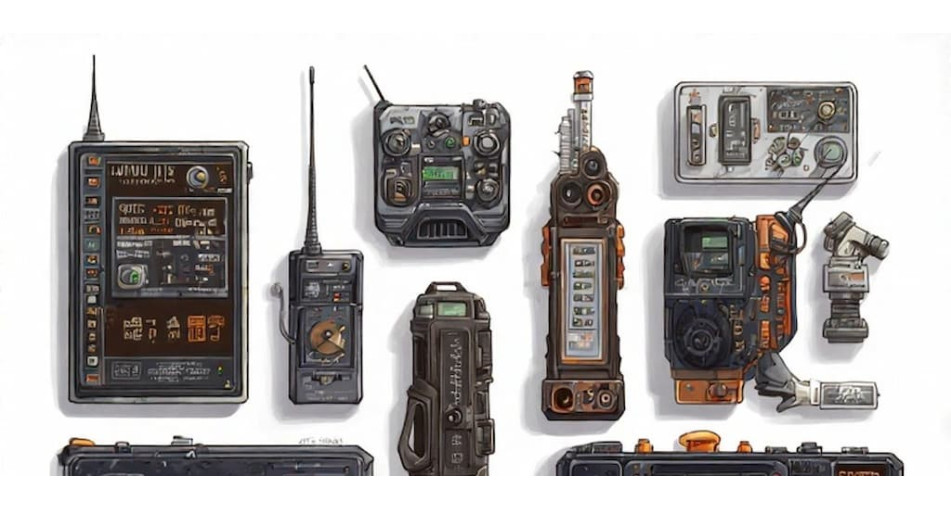
A bug detector becomes relevant when you suspect that you may be under surveillance or being monitored. This article discusses the key factors that will help you choose the most suitable detector to protect your privacy and security.
A bug detector is certainly not an everyday item, nor is it something everyone needs. It becomes useful when you suspect that someone may be listening to you, watching you, or tracking your vehicle. Possible signs of surveillance include third parties knowing information that they could not have obtained from anyone or anywhere else, although this does not necessarily mean that you are being monitored.
Life is full of remarkable coincidences, so if you have searched the area and found no tracking equipment, do not rush to blame the detector or question its quality. A bug detector can help identify listening devices, IP cameras, and GPS tracking devices – anything that emits a signal. Unfortunately, it cannot detect cameras or voice recorders that store recordings internally without transmitting a signal.
A professional knows all the places where surveillance equipment could be concealed and may notice things that a detector cannot identify. However, sometimes numerous locations and vehicles need to be checked, making it much more cost-effective to purchase your own detector.
One of the most reliable options is the professional all-signal 1207i bug detector. It detects signals such as LTE, CDMA, GSM, DCS, WCDMA, 3G, 4G PCS, DECT, Bluetooth, Wi-Fi and WiMAX, whereas cheaper detectors usually detect only GSM and LTE signals.
A less expensive detector may sometimes be sufficient, but it is important to remember that if the surveillance equipment uses signals other than GSM or an analogue signal, a basic bug detector may not detect it.
Inactive bugs are devices that do not emit any signals while the search is being carried out. The answer is yes, some detectors can identify them, but certainly not all models. In our online store, two detectors can detect inactive bugs: Raksa and Mobifinder.
Mobifinder is more suitable for checking vehicles, while Raksa is designed for inspecting premises. The operating principle is simple: leave the detector in your vehicle or room for a certain period (one day or several days). If a tracking device becomes active during that time, the detector will capture its signal and store it in its memory.
The detector will show the time when the signal was detected and identify the type of signal. This indicates that there may be a device present and that the area should be searched carefully once again.
The answer is simple: a real-time bug detector is considerably more sensitive and detects signals more effectively. Therefore, when conducting a search in real time, it is generally more reliable.
It is also possible to search for signals in real time using detectors that record signals in their memory, but their signal detection performance is usually weaker. Among professional models, it is worth considering the 1205i bug detector, which offers exceptionally high sensitivity and a wide frequency range.
To sum up, the main advantage of a real-time detector is its high sensitivity, while the advantage of a memory-based detector is its ability to detect inactive bugs when they become active during the monitoring period.
People often wonder why real-time bug detectors vary so much in price. It mainly depends on the number of signal types the detector can identify and its sensitivity.
Generally, the more expensive the detector, the wider the range of signals it can detect. This increases the chances of finding surveillance equipment. Bugs most commonly use GSM signals, so even a basic detector may identify them. However, some surveillance devices transmit signals such as Wi-Fi or Bluetooth, which a basic detector will not be able to detect.
The cheapest detectors are not particularly reliable and may produce false alerts, for example, in response to electrical sockets. Another factor is manufacturing origin: cheaper detectors are often made in China, while more expensive models are manufactured in Europe, which can result in differences in quality.
Bug detectors are usually very easy to operate. In many cases, pressing a single button is enough to start detection. To avoid unnecessary interference and reduce the risk of false alerts, it is best to begin the search with the sensitivity set to its lowest level.
If you need a compact solution, an LED detector is a suitable choice for quick, visual signal detection. Detectors designed to identify inactive bugs are more complex to operate. They require more than just pressing a single button, but this should not be a problem, as a detailed instruction manual in English is included.
If you are still unsure which detector is right for your needs after reading this article, please contact us. Once we understand your situation, objectives and budget, we will be able to recommend the most suitable option. Please note that we do not rent out detectors or any other equipment – all products are available for purchase only. Every product comes with a one-year warranty. If it breaks down within the warranty period, we will repair it or replace it with a new one.


