


Cart
Your shopping cart is empty!
It's never too late to make things right :)


WiFi listening equipment is no longer merely a tool associated with private investigators – its applications are much broader and more practical than its name might suggest. Like other types of listening equipment, it is designed to monitor sounds in real time. Depending on the type of equipment, users can “monitor” sounds from anywhere in the world and discreetly keep track of events in their home, office, or other spaces, as well as receive recorded audio on their smart device – phone, tablet, or computer.
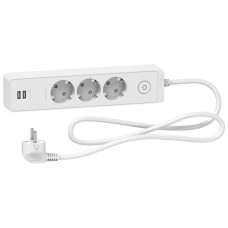
If we knew that listening equipment was present in a room, we would probably never set foot inside or would remain completely silent. For sound monitoring to be effective and seamless, the main purpose of WiFi listening equipment is to remain discreet. This is why listening devices are extremely small and easy to conceal – for example, they can be built into wall sockets or USB devices that, at first glance, are unlikely to raise any suspicion.
WiFi listening equipment is particularly popular due to its wide range of technical features. The selected device can be conveniently used anywhere with a stable wireless internet connection. Like other types of listening equipment, WiFi-enabled devices have built-in batteries which, depending on the model, can offer different standby times and operate both with and without an external power source.
Wireless devices also feature highly sensitive microphones, so you can be confident that even the quietest whispers or subtle sounds nearby can be picked up, whether at home or in an office, depending on the size of the area being monitored.
As mentioned above, the reasons why people choose listening equipment today rarely have anything to do with the work of private investigators or detectives. WiFi listening equipment can be particularly useful for monitoring pets, supervising children, as well as caring for ill family members or elderly people. Of course, it is also worth remembering home security (which can be especially useful when an alarm is triggered) and various types of business monitoring, provided that the legitimate interests of other individuals are respected.
WiFi listening equipment connects to a wireless network and, depending on the model, allows you to listen to audio in real time via a mobile app or access saved audio recordings. Some devices also support sound-activated recording and notifications when sound is detected.
No, devices that operate via WiFi generally do not require a SIM card. They connect to a WiFi network, so it is important to have a stable internet connection at the intended location. A SIM card is only required for models that operate via a mobile network.
Yes, most WiFi devices in this category support remote audio monitoring through a dedicated mobile app. Depending on the model, you may also be able to play back recorded audio files, download them to your phone, and receive notifications when sound is detected.
Battery life depends on the specific device, battery capacity, and frequency of use. Some models have rechargeable batteries and can operate for extended periods in standby mode, while others are designed for continuous operation when connected to a power supply. Before purchasing, we recommend checking the technical specifications of the selected model.
Yes, in most cases, you need to know the WiFi password to connect the device to a wireless network.
During initial setup: You usually need to select the WiFi network and enter its password.
For remote listening via the app: The device must be connected to the internet.
If you do not know the password: You will generally not be able to connect the device to a password-protected network.


